Discover how the government’s latest plan aims to make your daily life more affordable and secure.
Have you ever looked at your monthly bills and wondered if there’s a bigger plan in place to actually bring those numbers down? Let’s be honest, reading through government press releases usually feels like a chore, but the latest update from the Spanish Council of Ministers actually has some meat on the bones that affects your wallet and your future.
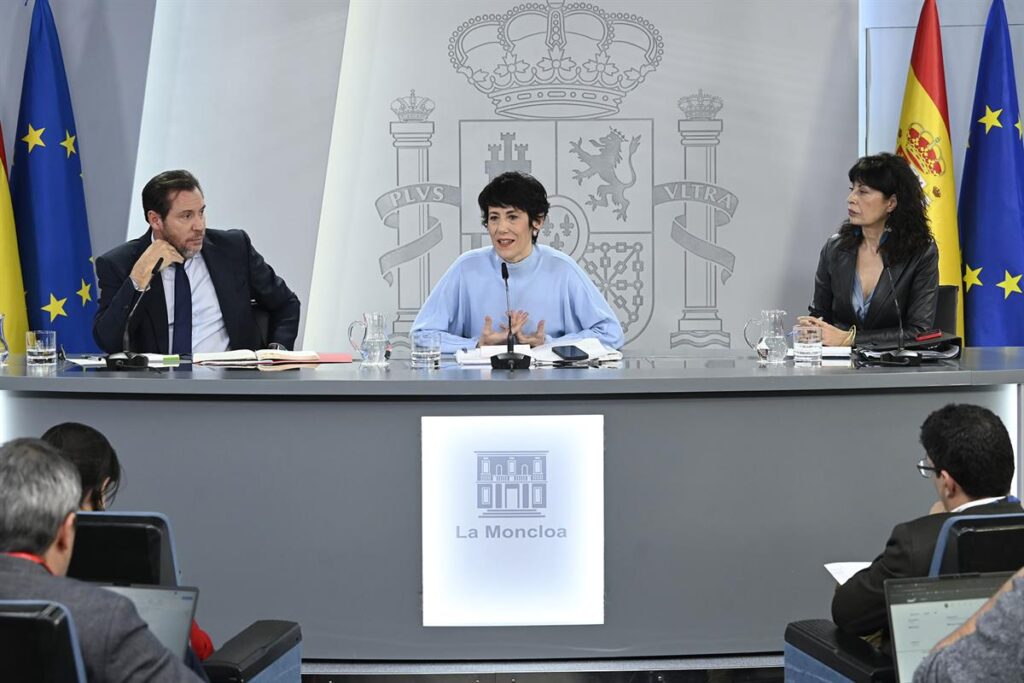
Here’s the thing: on January 27, 2026, the Spanish government sat down to map out where the country is headed over the next few years. They aren’t just talking about abstract numbers; they’re looking at housing, jobs, and how Spain fits into a rapidly changing Europe. According to the official briefing at La Moncloa, the focus is squarely on “strategic autonomy”—which is fancy government-speak for “making sure we can take care of ourselves.”
So, what does this actually mean for your wallet?
The government is doubling down on sectors that keep the lights on and the fridge full. We’re talking about energy and technology. The goal is to move away from relying on outside sources for things like electricity and microchips.
Think of it like this: if you rely on your neighbor for your internet connection, you’re in trouble if they change their Wi-Fi password. Spain wants its own “router.” By investing in local production, the government aims to shield you from the sudden price spikes we’ve seen in recent years. According to the Ministry of the Presidency, this plan involves a significant injection of funds into green energy and digital infrastructure throughout 2026.
Why is housing such a big deal right now?
If you’ve tried to rent an apartment in Madrid, Barcelona, or even smaller cities lately, you know the struggle is real. The Council of Ministers addressed the housing crisis as a top priority in their January session. They aren’t just promising more “social housing”; they are looking at how to make the entire market more stable for young professionals and families.
Let’s look at a real-world scenario. Currently, many young people in Spain are spending over 40% of their income just to have a roof over their heads. The government’s update suggests a new framework to increase the supply of affordable rentals by working with local municipalities. This isn’t a quick fix, but it’s the most direct answer to the question of how the government plans to lower the cost of living.
Did You Know?
According to data discussed by the Council of Ministers, Spain is aiming to increase its renewable energy contribution to over 50% of the national grid by the end of 2026. This is one of the most ambitious targets in the Eurozone.
What about the jobs of tomorrow?
We often hear about “AI” and “Digital Transformation,” but what does that actually look like for a regular worker? The government is focusing on a “Strategic Plan for Vocational Training.” They want to make sure that if your current job is replaced by a machine, you already have the skills to run that machine.
According to the January 2026 press conference, the government is allocating new resources to bridge the gap between what companies need and what people are learning. It’s less about sitting in a classroom for four years and more about quick, high-impact certifications that lead directly to a paycheck.
Is Spain’s role in Europe changing?
Spain is positioning itself as a leader in the Mediterranean. During the conference, it was made clear that Spain isn’t just following EU rules anymore; it’s helping write them. This matters to you because it influences trade deals, travel regulations, and environmental standards that eventually trickle down to the products you buy.
The government is pushing for a more “social Europe.” This means they want the EU to focus as much on worker rights and healthcare as it does on banking and finance. By leading this conversation, Spain is trying to ensure that the “Spanish way of life”—good healthcare and strong social ties—is protected by law.
Quick question for you:
Do you feel like the government’s focus on energy independence is more important than immediate housing subsidies?
- A) Energy independence (lower bills long-term)
- B) Housing subsidies (immediate rent relief)
- Drop your choice in the comments!
What to Watch
- March 2026: Look for the specific rollout of the new Vocational Training grants.
- June 2026: The first “Strategic Autonomy” progress report is due, which will show if energy prices are actually stabilizing.
Quick Recap
- Energy Focus: Moving toward 50% renewable energy to lower long-term costs.
- Housing: New frameworks to increase affordable rental supplies across major cities.
- Skills: A shift toward fast, vocational certifications to keep workers competitive in a digital economy.
FAQ
1. Is the government actually going to lower my rent?
While the government doesn’t set your rent directly, the January 2026 policy focus is on increasing the supply of available housing. More houses usually mean lower prices over time, but it’s a gradual process rather than an overnight change.
2. What is “Strategic Autonomy” and why should I care?
It basically means Spain wants to produce its own energy, food, and tech. You should care because it makes the country less vulnerable to global crises, like wars or supply chain breaks, which usually cause prices to skyrocket.
3. Are there new taxes coming to pay for this?
The press conference focused on using existing EU recovery funds and optimizing current budgets. While specific tax changes weren’t the headline in January, the government emphasized “fiscal responsibility” to keep the economy stable.
One final thought: With all these big changes on the horizon, do you think Spain is doing enough to keep up with the rest of the world, or are we moving too fast?
Sources:
- Official Press Conference Briefing – La Moncloa, January 27, 2026
- Ministry of the Presidency, Justice and Relations with the Cortes (January 2026 updates).
- Spanish Government Economic Outlook Report (Data current as of early 2026).