Learn exactly how to pull your official records without the headache or the guesswork.
Ever wonder what the government actually knows about you? It isn’t just a plot point for a spy thriller; thousands of regular people request their official records every single day for jobs, international travel, or just to make sure their “permanent record” is actually accurate.
Let’s be honest, the phrase “FBI background check” sounds intimidating. It conjures up images of guys in suits and dark sunglasses looking through your trash. But in reality, it’s a standard piece of paperwork that you have a legal right to see. Whether you’re applying for a digital nomad visa or adopting a child, you’re likely going to need what the bureau officially calls an FBI Identity History Summary Check.
So, what actually shows up on this report?
Think of this summary as the ultimate “master list” of your interactions with the law. It’s not just a local check; it’s a national aggregation. According to the FBI’s Criminal Justice Information Services (CJIS) Division, this report includes information taken from fingerprint submissions kept by the FBI and related to arrests, federal employment, naturalization, or military service.
If you’ve ever been fingerprinted for a high-security job or a government position, you’re in there. If you’ve ever been arrested for a federal offense, that’s in there too.
Why would you even want to see this?
You might think, “I haven’t been arrested, so why bother?” But mistakes happen. Maybe someone with a similar name had a run-in with the law, or perhaps an old charge that was supposed to be expunged is still hanging around like an unwanted houseguest.
We see this most often with international travel. If you’re moving to a country like Spain or South Korea for work (like the JET Program), they’ll want to see your FBI record to prove you’re a “person of good standing.” According to U.S. Department of State guidelines (updated as of late 2025), most foreign governments require this check to be “apostilled,” which is just a fancy way of saying “authenticated for international use.”
How do you actually get the thing?
You have three main paths to get your summary. Think of it like choosing between a direct flight, a flight with a layover, or hiring a private jet.
1. The Direct Electronic Option
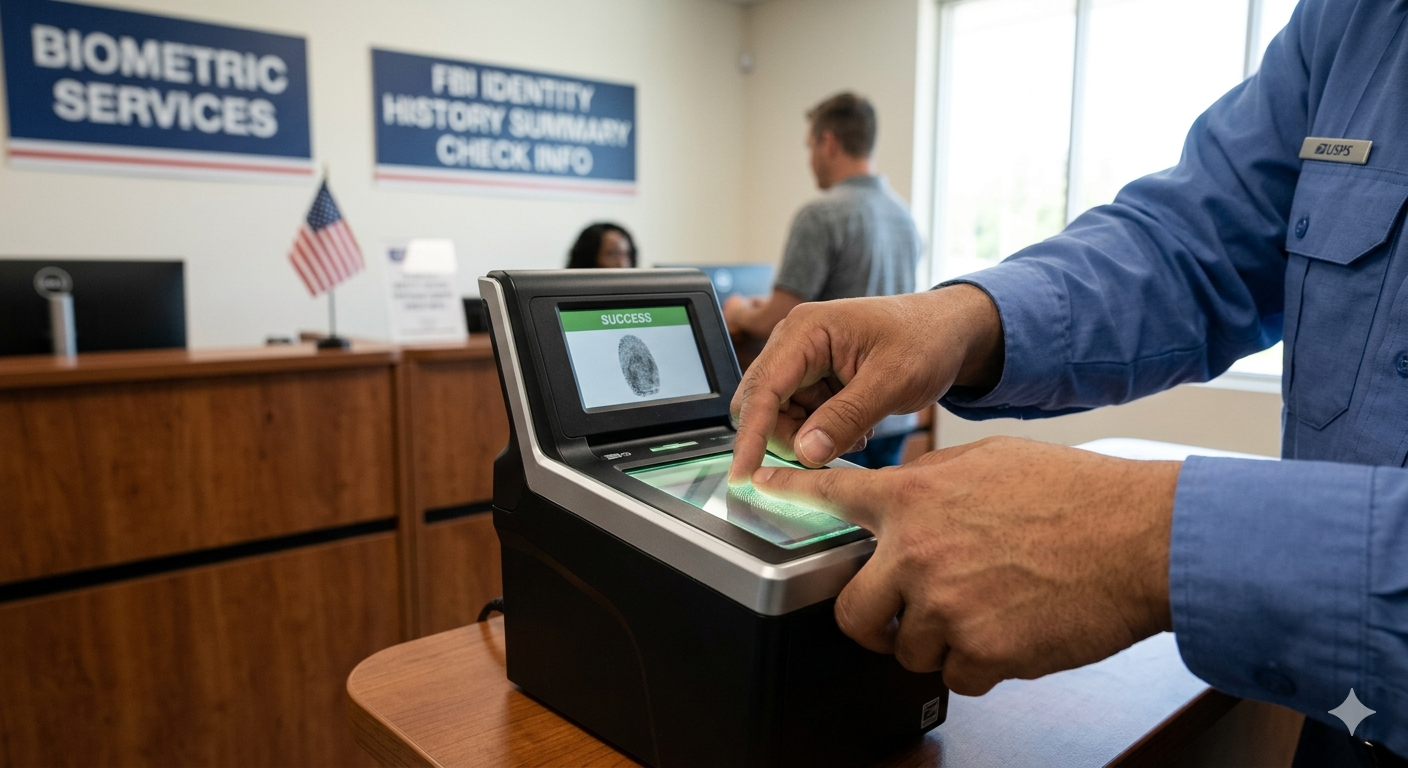
You go straight to the FBI’s online portal (edo.cjis.gov). You fill out the forms and pay the $18 fee. Then, you visit a participating U.S. Post Office to have your fingerprints taken electronically. This is usually the smoothest way to go.
2. The Mail-In Route
You do it the old-fashioned way. You print out the FD-258 fingerprint card, go to a local police station to get inked, and mail it to West Virginia. Warning: if your ink smudges, they’ll reject it and make you start over.
3. The “Channeler” Option
These are private companies contracted by the FBI to process your request. They charge an extra fee, but they are lightning-fast. According to the FBI’s list of approved channelers (updated December 2025), these are best if you need a digital copy in your inbox by tomorrow morning.
What if the report is wrong?
This is where things get a bit sticky. Let’s say you get your report back and see an arrest from ten years ago that was dismissed, but the report says it’s still “pending.”
The FBI doesn’t actually “own” the data; they just host it. If there’s an error, you have to contact the agency that originally sent the fingerprints to the FBI (like your local police department). According to 28 CFR 16.34, you have the legal right to challenge the accuracy of the information, but you’ll need to provide proof of the correct information to the state or local agency first.
It’s like correcting a credit score—it takes patience and a lot of “per my last email” energy.
Quick Recap
- The Check: A national summary of your fingerprints and federal legal history.
- The Cost: $18 if you go direct; more if you use a private “channeler.”
- The Timing: Electronic is fast (days); mail-in is slow (weeks).
What to Watch
Starting in mid-2026, the FBI is expected to roll out more “Rap Back” features for non-criminal justice purposes. This means that if you’re in a “position of trust” (like a teacher or nurse), the government might receive real-time updates if your record changes, rather than waiting for a yearly check. If you’re planning a move in late 2026, keep an eye on fbi.gov for any minor fee adjustments.
FAQ: The Stuff People Always Ask
Can my employer run this check without me knowing? No. For an official FBI Identity History Summary Check, you must provide your fingerprints. While an employer can run a standard “background check” through private databases, they cannot access this specific FBI file without your direct involvement.
Does my record show “expunged” items? It shouldn’t, but it depends on the state. If a state court expunged a record but never told the FBI, it will still show up. If you see an old mistake, you’ll need to contact the original local court to make sure they sent the update to the feds.
Can I use this for a gun purchase? Not exactly. This report is for your personal review. Background checks for firearm purchases go through a separate system called NICS, though they both look at similar data.